Why You Should Play Chess: The Benefits of Participating In This Timeless Intellectual Obstacle
Chess is greater than a simple game; it acts as an extensive psychological workout that hones different cognitive skills. Players involve in strategic reasoning and develop problem-solving capacities, which can have long-term benefits in day-to-day life. The discipline needed for improvement promotes persistence and durability. Yet, truth essence of chess exists not just in its intellectual needs yet in the connections it cultivates within an area. Exploring these dimensions discloses much about why chess stays ageless.
Enhancing Cognitive Abilities
Playing chess significantly improves cognitive skills, making it a useful task for people of every ages. The game demands strategic thinking and foresight, needing gamers to expect their challenger's steps while creating a winning technique. This psychological workout develops emphasis and focus, necessary parts of cognitive feature.

In addition, chess motivates creativity, prompting players to check out ingenious tactics and unconventional techniques to the game. As they browse the chessboard, individuals develop persistence and durability, essential attributes for cognitive development. On the whole, the complex cognitive advantages of chess make it an enriching search, promoting lifelong imagination and intellectual engagement.
Improving Problem-Solving Abilities
Various researches have shown that participating in chess can greatly boost problem-solving capabilities. The video game calls for players to assess intricate settings and anticipate the opponent's relocations, promoting vital assuming abilities. As they browse various circumstances, chess gamers create the capability to examine multiple end results and make critical choices under pressure. This process improves their ability to technique real-life problems with an organized attitude.
Chess promotes the recognition of patterns and the application of sensible reasoning, skills that are essential in effective problem-solving. Players discover to assess risks and rewards, fine-tuning their judgment in uncertain situations. The repeated nature of chess play strengthens these abilities, enabling people to move their enhanced analytic capabilities to academic and specialist contexts. Inevitably, chess offers as a valuable tool for any individual seeking to develop their analytical abilities and improve their total cognitive functioning in challenging scenarios.
Cultivating Persistence and Discipline
While engaging in chess can be an exciting experience, it also calls for a significant level of patience and technique. Players need to discover to very carefully think about each action, evaluating possible end results and approaches. This thoughtful approach cultivates a state of mind that values long-term success over prompt satisfaction. In chess, rash choices usually lead to unfavorable consequences, strengthening the significance of taking one's time to analyze the board and prepare for a challenger's reactions.
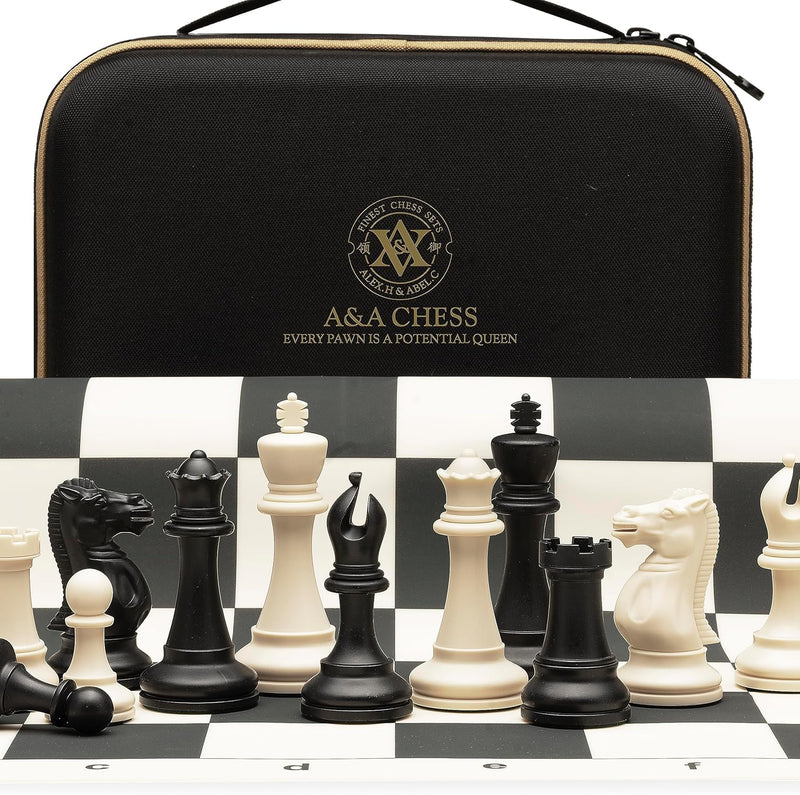
Self-control is additional grown through consistent technique and study. Players usually commit hours to boosting their abilities, studying tactics, and assessing previous games. This dedication to grasping the video game infuses a feeling of obligation and determination, necessary qualities that extend beyond the chessboard. Inevitably, the mix of persistence and self-control not just enhances a gamer's chess abilities but likewise adds to personal growth, furnishing people with essential devices for navigating obstacles in numerous facets of life.
Fostering Creativity and Creative Imagination
Strategizing steps entails not simply reasoning but additionally the capability to expect an opponent's actions, urging gamers to envision several pathways and options. As players explore different methods, they learn to introduce and adjust, enhancing their imaginative analytic abilities.
The video game's complexity invites players to check out unusual concepts and techniques, leading to personal designs of play - Chess. This expedition supports a sense of artistic expression, as each gamer crafts their very own method to difficulties on the board. Ultimately, chess ends up being a canvas for imagination, find out this here allowing people to reveal their special perspectives while establishing their creative capacities
Structure Social Connections and Community
Playing chess uses chances for people to network via events and regional chess clubs. These environments foster connections among gamers, producing a feeling of community focused around a shared interest. Participating in these activities not just improves skills yet likewise develops long-term partnerships.
Networking Through Tournaments
When individuals involve in chess competitions, they typically discover themselves engaged in a lively neighborhood of like-minded individuals. These occasions offer an excellent system for gamers to create connections, share methods, and commemorate their enthusiasm for the video game. Engaging in friendly competition cultivates friendship, as players from diverse histories collaborated to challenge each various other. Networking possibilities are plentiful, with numerous participants forming long lasting relationships that prolong beyond the chessboard. Furthermore, these tournaments typically attract sponsors and chess fanatics, additionally enhancing the capacity for professional links. As gamers engage in conversations about strategies and experiences, they construct a network that can lead to future collaborations and chances within the chess globe and beyond.
Local Chess Clubs
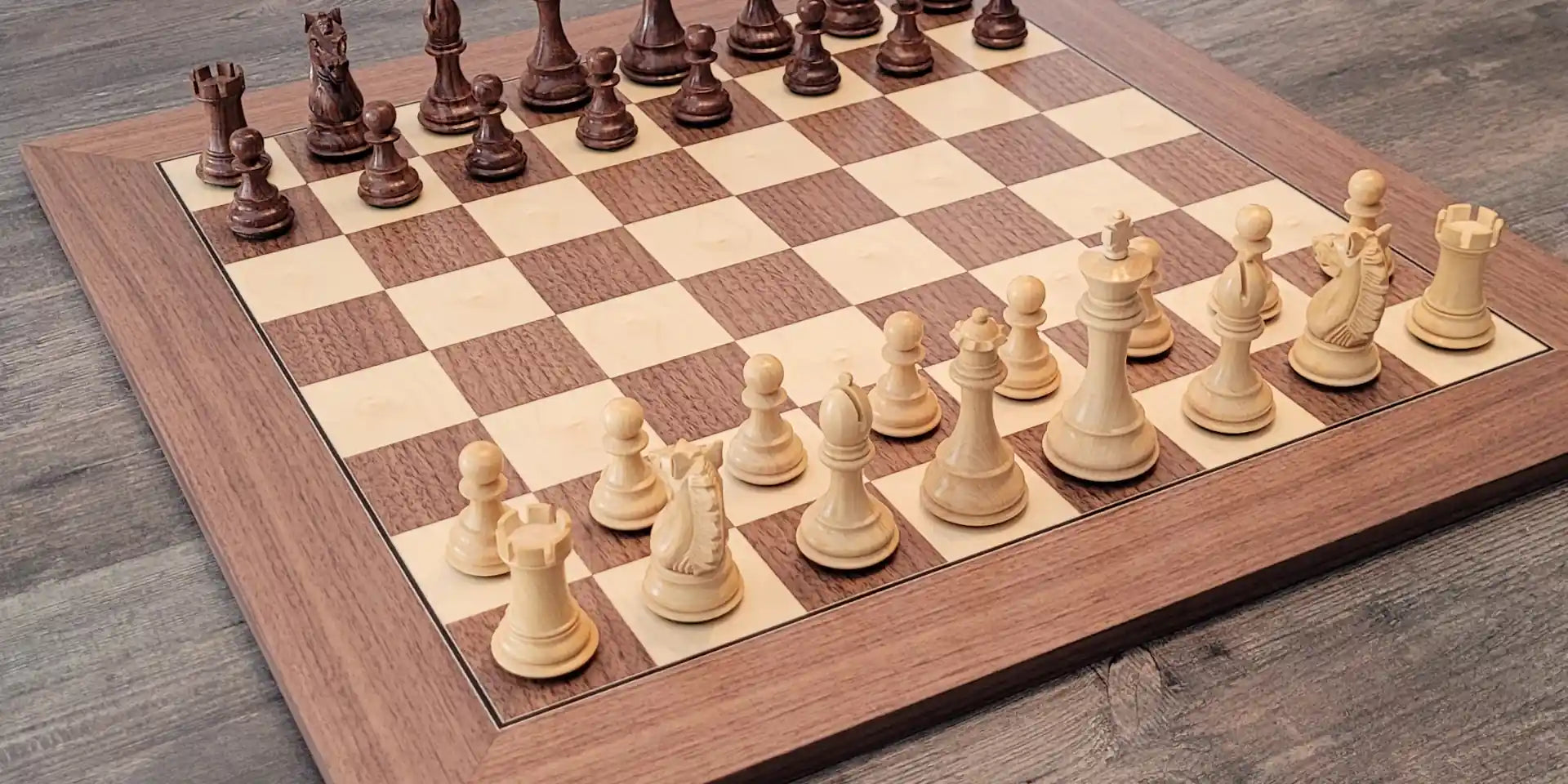
Providing a Fun and Involving Challenge
Chess offers a distinctly stimulating experience that mesmerizes players of any ages, as it combines calculated reasoning with the thrill of competitors. This classic game presents an engaging difficulty, motivating individuals to assume critically and creatively. Each match unravels as a battle of wits, where players need to anticipate their challenger's relocations while designing their very own approaches.
The intellectual engagement chess provides is matched by its ability to entertain. Players usually locate themselves immersed in the game, losing track of time as they navigate complex positions and tactical issues (Chess). This heightened emphasis fosters a feeling of success, particularly when a tough action brings about victory
Moreover, chess advertises social interaction, allowing players to bond over common experiences and obstacles. The game's countless variations guarantee that no 2 sessions are alike, keeping participants passionate to fine-tune their skills and methods. This dynamic blend of this link challenge and satisfaction makes chess a tempting pursuit.
Often Asked Questions
Can Chess Be Played Online or personally?
Chess can be played both online and face to face. On the internet platforms supply gamers the ease of contending against challengers worldwide, while in-person games foster social communication and physical presence, enhancing the total experience.
What Age Is Best to Start Knowing Chess?
Professionals recommend that kids can start learning chess as early as age five or 6. At this age, they can grasp fundamental concepts, enhancing cognitive skills while fostering a love for the video game that lasts a lifetime.
Are There Chess Tournaments for Beginners?
Yes, there are chess tournaments especially developed for beginners. These occasions offer a helpful atmosphere for novice gamers to obtain experience, enhance their skills, and take pleasure in the affordable spirit of chess without encountering sophisticated challengers.
Exactly how Long Does It Take to End Up Being Skillful at Chess?
Coming to be skilled at chess normally requires regular technique over several months to years. Variables such as specific commitment, previous experience, and research study of approaches considerably influence the moment required to reach a qualified level.
What Resources Are Readily Available for Understanding Chess Approaches?
Countless sources exist for learning chess methods, including on the internet tutorials, publications by prominent authors, chess apps, and interactive internet sites. Many gamers likewise gain from joining neighborhood clubs or joining on the internet forums for real-time understandings.